AC vs DC charging: what every buyer should know
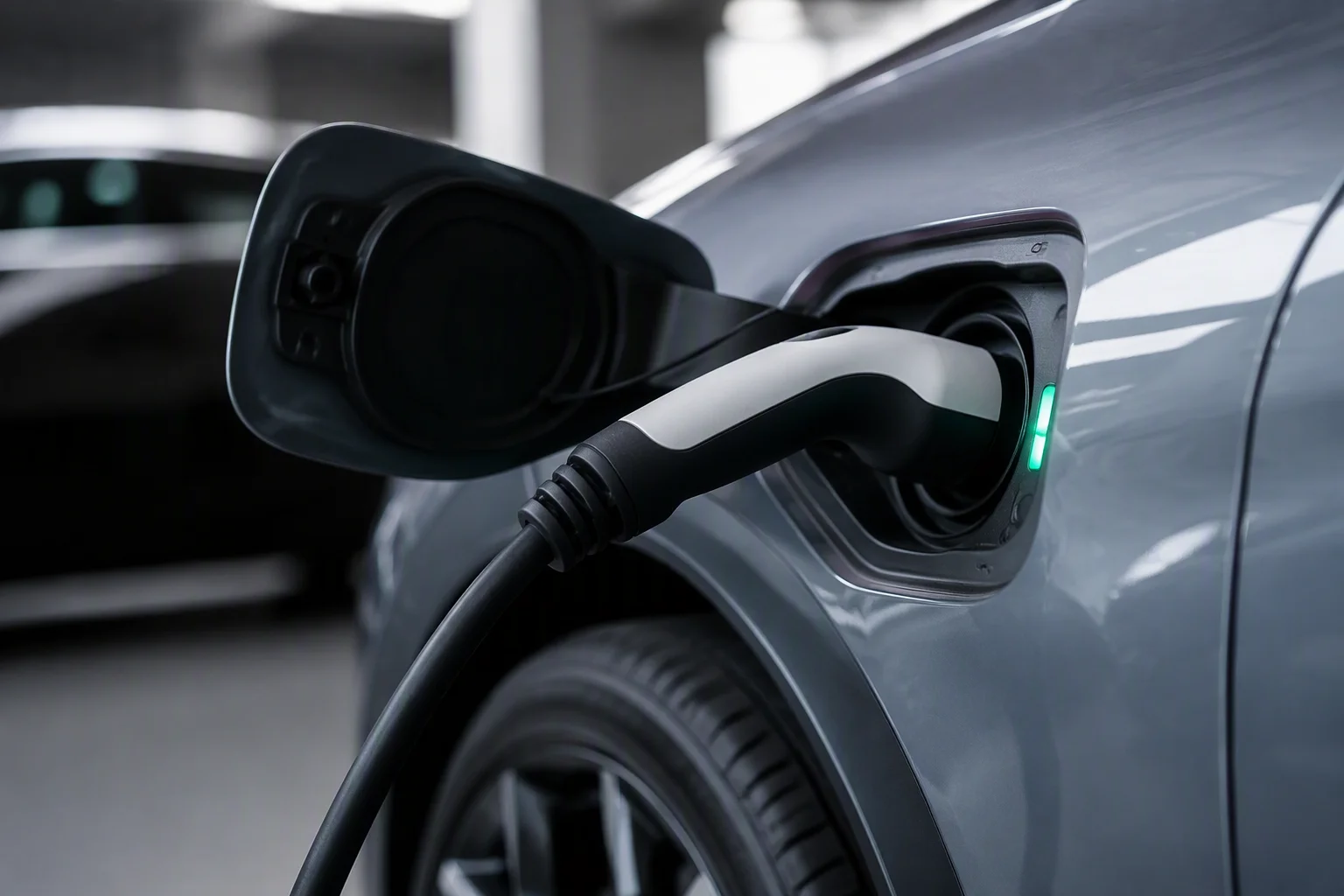
In one sentence: AC chargers deliver grid alternating current that the car's onboard converter turns into battery-ready DC, while DC fast chargers convert the power outside the car and push it straight into the battery — which is why DC is dramatically faster.
The difference that drives the speed
Every EV battery stores direct current. An AC wallbox hands the vehicle alternating current and lets the car's built-in converter do the work, capping practical speeds around 7–22 kW. A DC fast charger skips that onboard bottleneck by converting outside the car, delivering 60 kW and up straight to the pack.
Charge time: AC vs DC at a glance
| Charger type | Typical power | Added range (approx.) | Best for |
|---|---|---|---|
| AC wallbox | 7 kW | ~40 km per hour | Overnight hotel and residential charging |
| AC wallbox | 22 kW | ~120 km per hour | Workplace and long-stay parking |
| DC fast charger | 60 kW | ~200 km in 30 minutes | Fleet depots and retail stops |
| DC fast charger | 120–360 kW | ~300+ km in 20–30 minutes | Highway and public corridors |
How to choose without overspending
- Match power to dwell time: guests parked overnight rarely need more than 7–22 kW.
- Audit your electrical capacity first — fast chargers need real grid headroom.
- Pick DC only where turnaround speed actually earns you money.
- Verify OCPP support so the hardware works with your software, not just today's vendor.
The budget reality
AC wallboxes are the cheaper place to start — lower unit cost, simpler install and far lighter power demands. DC fast chargers carry a higher upfront price and installation bill, but they unlock throughput and revenue that AC simply cannot. The honest calculation is rarely "AC or DC" but "how many AC bays for dwell, and how many DC stalls for turnaround" — a mix that Voltix helps you size from day one.